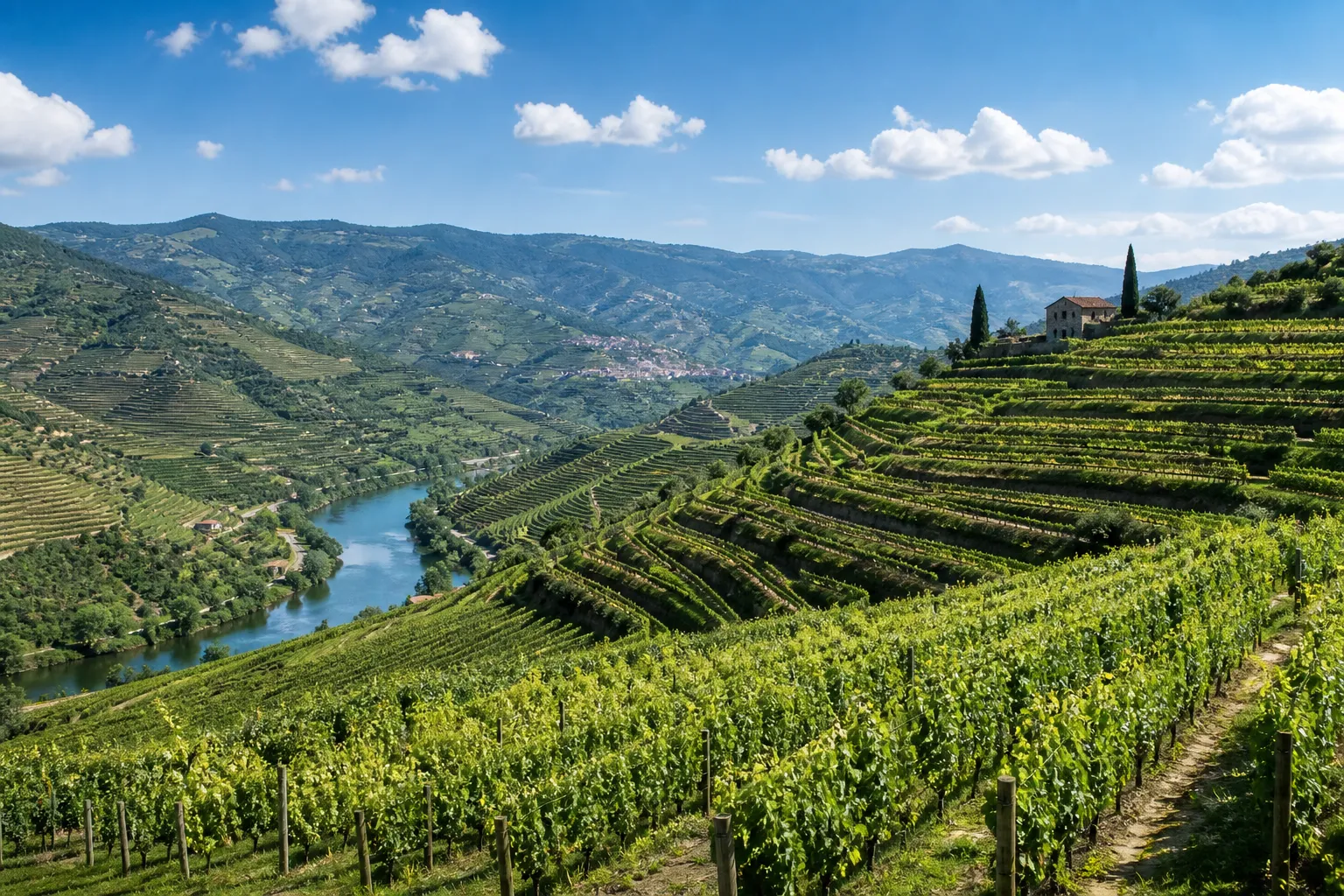
Rolling vineyard hills are among the most recognizable landscapes in wine country — long, curving rows of vines following contour lines across slopes that catch morning fog and afternoon sun in different ways on every face. For travelers who are curious about place rather than prestige, understanding how these hills form, how they are farmed, and how they change through the year can make a countryside visit far more meaningful than a simple drive past scenic overlooks. This guide explains what vineyard hills are, why they look the way they do, and how to explore them with patience and respect.
What Makes a Vineyard Hill Different From Open Farmland
At first glance, a hillside covered in vines can look like any other agricultural slope. The difference lies in permanence and orientation. Vineyards are planted for decades, sometimes more than a century, and the rows are laid out with deliberate geometry that responds to drainage, sun exposure, and wind. On steeper hills, terraces or narrow bench rows prevent erosion while maximizing the angle of light on each vine. On gentler rises, long parallel rows create the visual rhythm that photographers and painters have responded to for generations. Unlike annual crops that disappear after harvest, vines remain through winter dormancy as bare woody frames, then leaf out in spring, thicken in summer, and turn gold or crimson in autumn before the cycle begins again.
Soil composition also distinguishes vineyard hills from generic pasture. Many classic wine regions sit on ancient seabed deposits, volcanic ash, alluvial fans, or decomposed granite — each influencing how roots grow and how water moves downhill. Travelers do not need a geology degree to appreciate this, but noticing whether a slope is rocky, pale, red, or dark can deepen an understanding of why certain hills look sparse and others lush. Local interpretive signs, farm tour guides, and regional museum exhibits often explain these connections in plain language.
How Slope and Aspect Shape the View
Aspect — the direction a slope faces — is one of the quiet forces behind the beauty of vineyard hills. South- and west-facing slopes in the Northern Hemisphere typically receive more direct sunlight, which can produce earlier ripening and sharper shadows at golden hour. East-facing rows catch soft morning light; north-facing slopes may stay cooler and greener later into the season. When you stand on a ridge road and look across a valley, you are often seeing a patchwork of aspects, each with slightly different row spacing, vine height, and seasonal color.
Slope angle matters for both farming and viewing. Moderate slopes allow machinery access and create the classic undulating lines visible from distance. Steeper hills may be hand-farmed or planted in narrow terraces that read as horizontal stripes from afar. From a travel perspective, steeper terrain often means more dramatic vistas but fewer safe pullouts; gentle hills offer easier walking and cycling but may feel less theatrical. Neither is inherently better — they simply reward different kinds of exploration.
Seasonal Changes Across the Hills
Vineyard hills are not static scenery; they are calendars you can read with your eyes. In late winter and early spring, slopes look austere — pruned vines form low gnarled shapes, and cover crops or mustard may bloom yellow between rows in some regions. Spring brings fresh green canopy, rapid growth, and often a visible contrast between young leaves and darker evergreen oaks on ridgelines. Summer fills the hills with dense foliage; late summer may show lighter patches where leaf thinning exposes fruit to sun. Autumn is the most dramatic season for color: leaves turn yellow, orange, and red while harvest activity adds human rhythm to the landscape.
Winter reveals structure — the bones of trellising, the curve of roads, the spacing of farm buildings — and can be an underrated time for photography and quiet walks when crowds are thin. Fog seasons, common in many coastal-influenced wine valleys, add another layer: hills may emerge and disappear through the morning, creating moments of layered depth that last only minutes. Checking regional bloom and harvest calendars before a trip helps align expectations with what the hills will actually show.
Reading the Landscape From Roads and Trails
Most visitors first encounter vineyard hills from a car window. Scenic roads often follow ridge lines or valley floors, alternating between panoramic views and close rows that flash past in green tunnels. To move beyond passive viewing, plan a few deliberate stops: a marked overlook with safe parking, a short footpath permitted for public use, or a town edge where hills rise directly behind main street shops. Binoculars help observe trellis types, irrigation patterns, and wildlife along row margins without entering private property.
Walking offers a slower scale. Where public trails cross or border vineyards, notice how soil texture changes underfoot, how wind increases on exposed ridges, and how bird activity shifts between wooded patches and open rows. Our walking trails guide covers etiquette and footwear; the key principle on vineyard hills is to stay on designated paths and treat every row edge as someone's livelihood, not a shortcut.
Common Vineyard Hill Regions and Their Character
While this site speaks in general educational terms rather than promoting specific destinations, several broad regional patterns appear across well-known wine country. Mediterranean-climate valleys often combine golden grass on hillsides with irrigated green rows, producing strong warm-season contrast. Cool-climate coastal-influenced regions may show persistent green longer into the year, with fog layers that soften horizons. Continental interiors can swing from hot, bright summers to cold winters that strip leaves early and expose pale soils. Old-world-inspired plantings may use tighter row spacing and shorter vines; newer plantings on hills sometimes show taller trellises designed for mechanized farming.
- Valley-floor views: Broad panoramas where hills frame a central corridor — ideal for first-time orientation.
- Ridge-top perspectives: Wide sweeps across multiple valleys; often windy with strong light at sunset.
- Bench land slopes: Terraced or stepped rows that create strong horizontal patterns in photographs.
- Mixed oak and vine hills: Patchwork landscapes where woodland and agriculture interleave, rich in wildlife edges.
Responsible Visiting on Working Hillsides
Vineyard hills are working agricultural land. Entering rows without permission, picking fruit, disturbing cover crops, or flying drones low over farms can harm crops and violate local regulations or property rights. Stay on public roads, designated trails, and visitor areas associated with farms that explicitly welcome guests. During harvest, machinery and trucks may use narrow roads; drive slowly and avoid stopping on curves. Photography from public rights-of-way is generally acceptable, but close-up shots of workers, equipment, or private driveways deserve consent and common sense.
The most memorable hill views often come from patience — waiting for fog to lift, for clouds to break, or for late-day light to rake across rows at a low angle.
Connecting Hills to Broader Wine Country Travel
Vineyard hills sit at the center of a wider countryside experience. Scenic wine roads link viewpoints and villages; countryside villages offer food, lodging, and local history at the base of slopes; harvest seasons explain when hills are busiest and most colorful. If you plan photography, pair this guide with our photography guide for light and composition notes. For hands-on learning, farm visits can translate landscape questions into conversations with growers.
How This Guide Was Put Together
This overview reflects general research into viticulture landscape patterns, regional tourism information, and publicly available agricultural education materials. It is intended to help curious travelers orient themselves before and during a visit, not to substitute for current property rules, road conditions, or seasonal schedules. Hills that are beautiful from a distance may be inaccessible up close; always confirm access and safety locally before setting out on foot or by car.