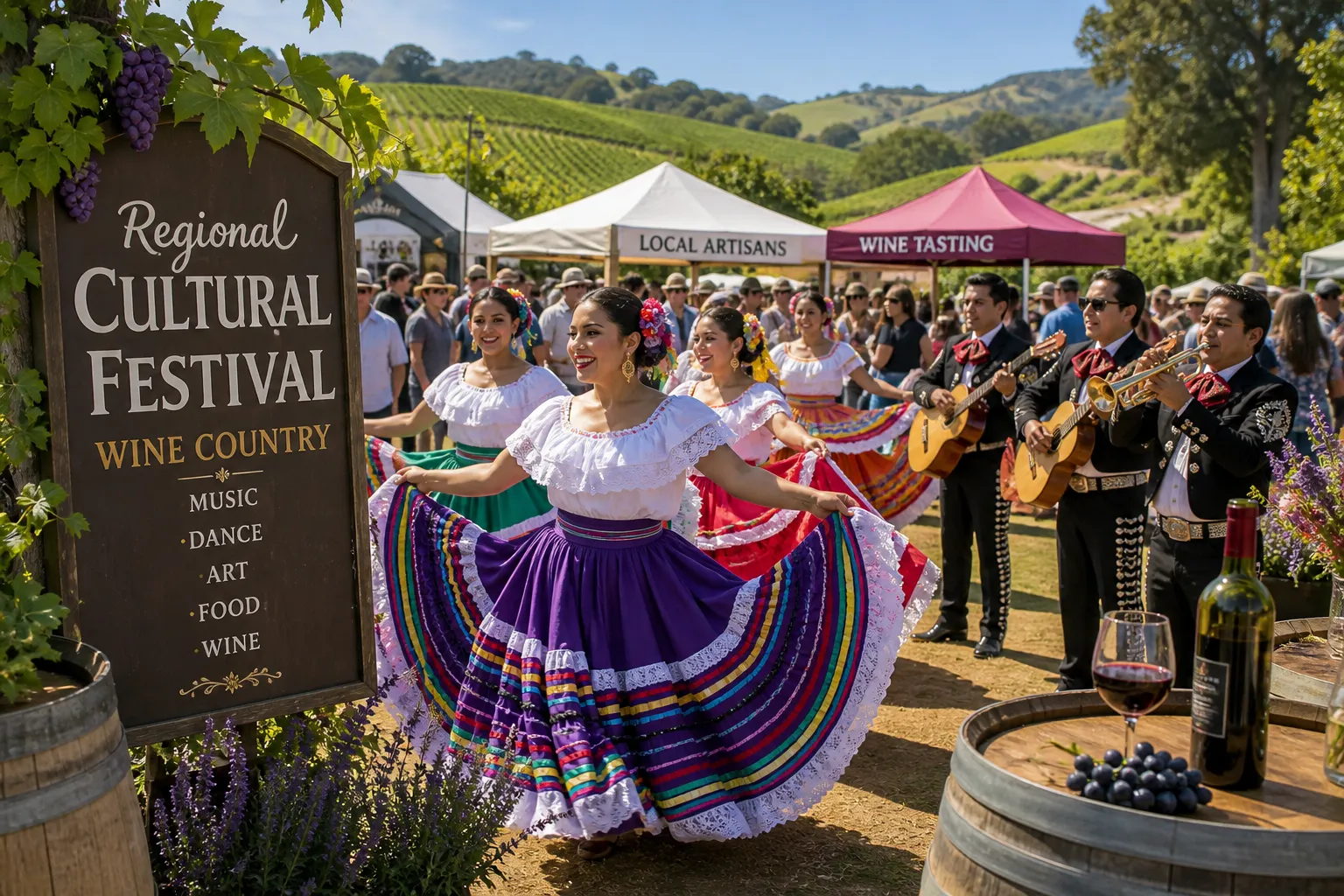
Regional culture in wine country extends far beyond tasting notes — it encompasses settlement history, multilingual communities, seasonal festivals, craft traditions, music, faith, labor stories, and the everyday rituals that continue whether or not visitors arrive with cameras. Understanding culture as lived practice rather than staged performance helps travelers engage with vineyard regions as real places whose identity is not reducible to luxury marketing. This guide introduces cultural themes common across wine country and suggests respectful ways to learn and participate.
Historical Layers Under the Vines
Many vineyard landscapes occupy lands with long prior habitation — indigenous stewardship, mission-era agriculture, ranching economies, and twentieth-century planting booms each left marks readable in place names, irrigation systems, and town layouts. Small museums, historical societies, and marked walking tours in countryside villages often tell these stories more accurately than estate marketing focused solely on founding winemakers. Seek narratives that include labor migration, technological change, and environmental adaptation rather than only celebratory pioneer myths.
Architecture reflects culture: barns, bungalows, plaza churches, and art deco storefronts coexist in surprising combinations. Cemeteries, murals, and public plaques — approached respectfully — add depth to scenic drives documented in our scenic wine roads guide.
Festivals, Markets, and Public Ritual
Harvest blessings, grape festivals, holiday parades, and farmers markets function as community glue. Visitors welcome when they participate as guests — buying from vendors, applauding local performers, following crowd flow — rather than treating events as exclusive photo safaris. Events may center religious tradition, agricultural charity, or civic pride unrelated to wine sales; read programs before assuming every festival exists for tourism alone.
Seasonal overlap with harvest intensifies energy but also stress on parking, lodging, and staff. Midweek visits adjacent to major festivals capture some atmosphere with lighter footprint. Our local cuisine guide connects market culture to daily eating; festivals often preview ingredients entering restaurant menus.
Arts, Crafts, and Contemporary Expression
Galleries, studio tours, and public art installations appear in towns surrounded by vines — sometimes funded by agricultural prosperity, sometimes by artists seeking affordable space and light. Live music venues range from formal halls to back-porch gatherings advertised on bulletin boards. Craft traditions — pottery, textiles, woodworking — may draw on regional materials and motifs without being "wine-themed" merchandise. Supporting working artists diversifies spending beyond tasting fees.
- Gallery etiquette: Ask before photographing artwork for sale.
- Workshop tours: Book ahead; small studios limit group size for safety.
- Public performances: Tip where jars appear; respect no-recording requests.
- Language: Multilingual communities enrich menus and signage — patience and courtesy cross cultures.
Labor, Land, and Living Wage Conversations
Wine country beauty rests on agricultural labor often invisible in promotional imagery. Educational travelers benefit from engaging respectfully with this reality — reading journalism and extension publications about harvest crews, housing, and safety; avoiding romanticizing hard work from poolside distance. Some organizations offer documented talks or exhibits on labor history; seek those rather than improvising intrusive questions toward field workers during peak crush.
Culture is not only what appears on festival posters — it is also who wakes before dawn to pick the grapes behind the hillside view.
Faith, Memory, and Community Institutions
Churches, mutual aid societies, volunteer fire departments, and youth sports leagues sustain towns that tourism brochures simplify. Attending public services or fundraisers requires genuine interest and dress appropriate to local custom — not treatises as exotic backdrop. Memorials for fires, floods, or economic transitions appear in small parks; read them quietly. Schools and libraries host lectures on regional ecology and history worth checking event boards.
Indigenous and Environmental Stewardship Perspectives
Many regions now foreground indigenous land acknowledgments and stewardship practices in visitor materials — engage these seriously by following linked educational resources and supporting tribal museums or guided programs where offered. Environmental culture includes water conservation, fire management, and habitat corridors between vines and oak woodlands visible on trails. Photography of cultural sites may carry restrictions — honor posted rules from our photography guide.
Connecting Culture to Landscape Guides
Vineyard hills look different when you know who planted them, when, and why. Farm visits humanize abstract rows. Travel planning improves when one cultural event anchors a trip rather than scattering passive stops. Allow unscheduled hours in villages for bulletin-board discoveries — parades, readings, volunteer habitat days — that transform itinerary into relationship with place.
Language, Hospitality, and Visitor Posture
Wine country hosts encounter repeating seasonal waves of visitors — warmth toward genuine curiosity remains abundant, but performative enthusiasm or entitlement erodes goodwill quickly. Learn a few courteous local phrases when multilingual communities surround you; attempt pronunciation even if imperfect. In shops and cafes, greet staff before requests; queue patiently during festival crowds. Ask permission before recording conversations or ceremonies. Tip fairly where service culture expects it. These habits signal respect more reliably than declarations of love for the region.
Residents may share opinions about tourism growth, water use, or housing costs — listen without debating or minimizing. Cultural learning includes contemporary civic life, not only historic nostalgia packaged for brochures.
How This Guide Was Put Together
This overview synthesizes themes common in regional cultural tourism ethics statements, public history programming, and community event descriptions in agricultural wine regions. It does not catalog specific festivals or guarantee event dates. Cultures evolve and communities choose how much to share — approach with humility, spend locally, and prioritize listening over collecting experiences as trophies.