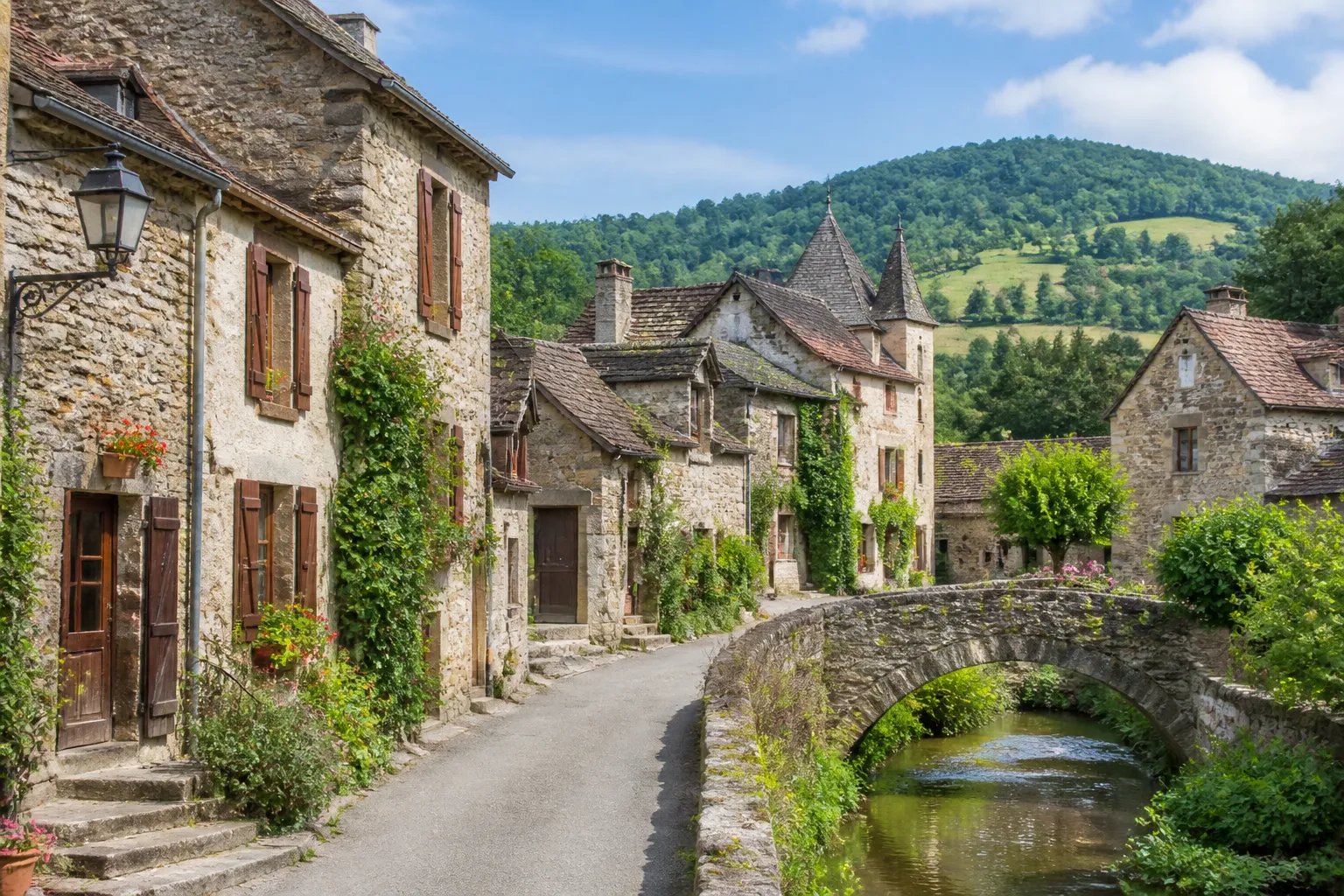
Countryside villages near vineyard regions offer a human counterpoint to the wide-angle views travelers chase on hill roads — narrow main streets, local shops, church clocks, market squares, and the daily rhythm of communities that existed long before wine tourism became a global industry. Understanding these villages as living places rather than backdrops helps visitors engage respectfully, spend thoughtfully, and discover layers of history and culture that hillside panoramas alone cannot reveal. This guide introduces how to explore countryside villages in wine country with curiosity and care.
Villages as Gateways, Not Props
A common travel mistake is treating a village as a thirty-minute pause between scenic overlooks. In practice, many countryside towns reward half-day or overnight stays: morning coffee when shops open, midday market activity, late-afternoon light on stone or wood facades, and evening dining when locals return. Villages function as gateways to surrounding hills — supply points, transit hubs, and social centers for farm families. Recognizing this role shifts behavior from consumption to participation: you buy bread at the bakery, read the bulletin board, walk the residential edges at a modest pace, and accept that not every building exists for visitor entertainment.
Architectural styles vary by region and immigration history. You may see adobe influences, Victorian storefronts, Mediterranean stucco, or practical farm-town utilitarianism — sometimes all within a short main street. Churches, schools, and post offices often anchor civic identity more strongly than any tasting room. Photograph public spaces thoughtfully; avoid intrusive shots of private homes, children, or residents going about errands unless you have clear permission.
Main Street Logic and Local Economy
Successful village visits align with local economic reality. Independent grocers, hardware stores, cafes, and bookshops depend on steady community trade; tourism spikes help but can also strain staffing and parking. Spending on meals, produce, and locally made goods distributes benefit more broadly than souvenir-only purchases. Ask questions at counters — staff often share directions to trails, seasonal events, or quiet viewpoints not listed in generic apps.
Some villages host weekly farmers markets that blur the line between town center and surrounding agriculture. These markets are excellent introductions to local cuisine and seasonal produce, but they also require etiquette: bring reusable bags, do not block aisles with large groups, and understand that vendors may sell out early. Markets are not unlimited photo studios; ask before photographing stalls or vendors closely.
History Visible in Plain Sight
Many wine country villages preserve layers of history readable without a formal museum visit, though small local museums — when open — often provide excellent context for an hour. Look for plaques describing founding families, railroad arrival, irrigation projects, or fire rebuilds. Older warehouses may have been cooperages or packing sheds; repurposed buildings sometimes retain exterior scales or loading bays that tell industrial stories. Our regional culture guide expands on festivals and traditions; villages are often where those traditions are practiced rather than performed solely for tourists.
Cemeteries, when publicly accessible and respectfully visited, can illuminate settlement patterns and community heritage. Treat them as quiet historical spaces, not scenic backdrops. Similarly, civic murals and public art projects may document agricultural labor, migration, or environmental change — worth reading rather than using as anonymous color.
Pacing a Village Day
A thoughtful village day might unfold as follows: arrive mid-morning, walk the full main street once without entering every shop, choose one cafe for sitting rather than grazing endlessly, visit a public park or creek path, then explore a secondary lane where residential gardens and alley murals appear. Afternoon heat may slow activity in summer; plan indoor stops or shaded walks. In cooler seasons, midday walking is comfortable and shops may close earlier — check hours locally rather than assuming urban schedules.
- Morning: Bakeries, markets, and coffee spots; soft light on east-facing storefronts.
- Midday: Museums, lunch, shaded parks; avoid crowding narrow sidewalks in large groups.
- Late afternoon: Second-pass shopping, photography with warm sidelight, early dinner reservations.
- Evening: Live music or community events when advertised; reduced lighting on unlit lanes — carry a small flashlight if walking back to lodging.
Lodging and Overnight Stays
Staying overnight in a village rather than a distant resort changes the experience substantially. Evening streets quiet down; morning belongs to locals again before day-trippers arrive. Inns, small hotels, and permitted vacation rentals vary in character — some occupy historic buildings with creaking floors and modest rooms; others are modern annexes behind traditional facades. Read reviews with attention to noise, parking, and walkability; village centers may lack large hotel parking lots, requiring creative loading and unloading on side streets within posted rules.
Overnight stays also reduce pressure to drive scenic roads at unsafe hours chasing sunset. You can walk to dinner, sleep, and depart refreshed for a morning scenic drive or farm visit reservation.
Respectful Behavior in Small Communities
Villages notice repeat behavioral patterns from visitors. Loud groups on sidewalks, blocked driveways, drone flights over residential roofs, and trespassing on private lanes generate justified frustration. Keep voices moderate, park only in designated areas, and supervise children near traffic and creek edges. Dogs should be leashed where required and waste picked up — rural towns may not have frequent trash cans on every corner.
The village test is simple: if everyone traveled like you, would main street still feel livable for the people who call it home?
Connecting Villages to the Surrounding Hills
Villages and vineyard hills form a single landscape system. Morning fog may pour down slopes behind town; evening light may ignite hills visible from the plaza. Trails sometimes depart from village edges — confirm public access before setting out. Harvest season brings trucks through town centers; patience and caution apply on foot and in vehicles. Seasonal calendars in shop windows often list crush festivals, holiday parades, and volunteer clean-up days — opportunities to witness community life beyond commercial tourism.
How This Guide Was Put Together
This overview draws on general patterns of rural town tourism, historic preservation commonsense, and wine country visitor guidance published by regional organizations. It is not a directory of specific villages and does not guarantee business hours, event schedules, or parking availability. Confirm details locally and treat every community as a partner in shared landscape stewardship, not a stage set for passing traffic.