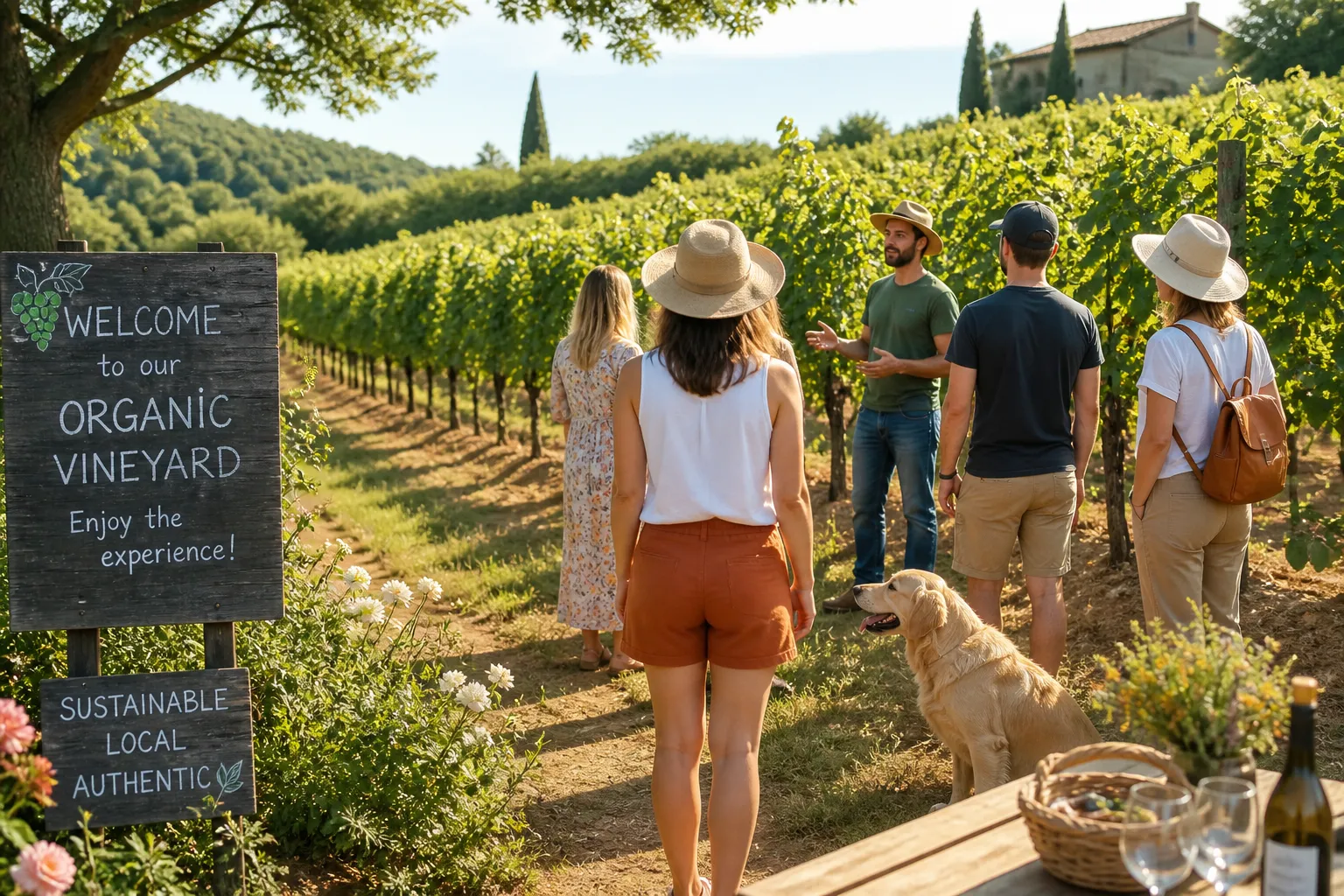
Farm visits and vineyard tours translate landscape curiosity into conversation — rows become choices about trellis and clone, crush pads become lessons in timing, and tasting rooms become contexts for understanding labor, climate, and economics rather than mere consumption. Choosing educational farm experiences in wine country requires sorting marketing language from genuine access, setting expectations about harvest restrictions, and behaving as a guest on working land. This guide explains how farm visits typically work, what questions reward thoughtful travelers, and how to select experiences aligned with learning goals.
Types of Farm and Vineyard Experiences
Not all "tours" share the same depth. Tasting-focused appointments may include a short walk among vines but center on sample pours in a bar setting. Production tours access cellars, barrels, and equipment with guides explaining fermentation and aging. Estate walks cover blocks, soil, and farming decisions across slopes visible from public roads. Mixed agriculture farms may combine orchards, gardens, livestock, or olive production — broadening the story beyond grapes alone. Seasonal events — bud break walks, harvest observations from safe zones, blending workshops — appear on limited calendars and book early.
Distinguish public visitor centers operated by regional associations from private working farms — the former educate generically; the latter reveal specific choices and constraints. Both have value depending on whether you seek overview or particularity.
Booking, Group Size, and Timing
Reservations dominate peak seasons; walk-ins may face long waits or refusal during crush. Small-group tours preserve hearing and movement; large bus groups trade intimacy for logistics efficiency. Morning tours often coincide with cooler field conditions and active winery work; late afternoon tours may align with golden light on hills but overlap staff shift changes. Confirm duration, distance walked, stair requirements, and child policies before booking — cellars and uneven rows exclude some mobility aids.
- Ask about harvest access: Some farms restrict field entry during pick for safety.
- Clarify tasting components: Samples may be optional or separate purchases.
- Verify language and expertise: Guides range from seasonal staff to owners and winemakers.
- Check cancellation weather policies: Outdoor segments cancel in storms or extreme heat.
Questions That Deepen the Visit
Thoughtful questions improve tours for everyone when timed respectfully — not mid-safety briefing, not argumentative. Examples: Why plant this slope by hand? How has drought changed irrigation? What cover crops appear between rows and why? How do local markets receive seconds or unsold fruit? How does labor scheduling shift during harvest? Guides often welcome curiosity that connects farming to landscape you observed on scenic drives or trails.
Avoid questions that demand proprietary recipes, yields, or financial details hosts may decline to share. Photography rules vary — ask at start; never assume social media freedom in cellars or near trademarked labels without clearance.
Safety, Attire, and Guest Conduct
Closed-toe shoes, layered clothing, and sun protection suit most farm visits. High heels, sandals, and loose scarves fail near stairs, hoses, and gravel. Follow guide pace; do not wander off marked paths. Machinery always has right of way — distance protects you and harvest schedules. Sanitize hands before tastings where requested; respect spacing during health advisories. Minors require supervision near water, equipment, and glassware.
A farm visit succeeds when guests leave informed, not intoxicated — pacing tastes and questions matters as much as scenery.
Agritourism and Community Impact
Farm visits channel tourism dollars toward agricultural operators but also consume staff time during demanding seasons. Purchasing bottles, pantry goods, or CSA shares extends support beyond tour fees. Tip tour guides where customary. Avoid treating farms as free photo studios without booking photo-specific permissions. Large influencer groups can overwhelm small operations — choose experiences scaled to property capacity.
Connecting visits with village meals and local cuisine completes economic circulation in the region rather than isolating tourism on estate driveways only.
Alternatives When Tours Are Full
Regional museums, cooperative demonstration gardens, and university extension open houses educate when popular farms book out. Self-guided educational trails with interpretive panels — where they exist on public land — explain viticulture without cellar access. Reading regional culture materials before travel prepares you to appreciate even brief tasting bar conversations more deeply.
Linking Farm Learning to Photography and Planning
Permitted farm angles may offer compositions unavailable from roads — coordinate with our photography guide ethics section. Build farm appointments into travel planning days with buffers; running late stresses hosts and groups. Pair morning tours with afternoon scenic driving or village browsing rather than stacking multiple alcohol-forward appointments without meals and rest.
Evaluating Educational Value Before You Book
Marketing language can blur the line between a thoughtful estate walk and a quick tasting with a scripted script. Look for descriptions that mention soil, farming choices, seasonal work, or cellar processes — not only award lists or point scores. Reviews that praise knowledgeable guides and manageable group sizes often signal educational quality; reviews complaining about rushed pours or inaudible presentations in crowded bars warn of a different experience category. University extension partnerships, documented sustainability certifications, or community education missions sometimes appear on farm websites and indicate investment in public learning beyond sales alone.
Price alone does not measure depth — some modestly priced cooperative tours excel while expensive appointments center on luxury ambiance with minimal field time. Match spend to your learning goal rather than assuming cost correlates with agricultural insight.
How This Guide Was Put Together
This guide reflects common agritourism practices described in regional visitor guidelines, general farm safety advisories, and educational programming patterns at working vineyards. It does not endorse specific operators or guarantee tour availability, content, or pricing. Policies change seasonally — confirm details directly with farms before travel and treat every visit as privilege on private working land.